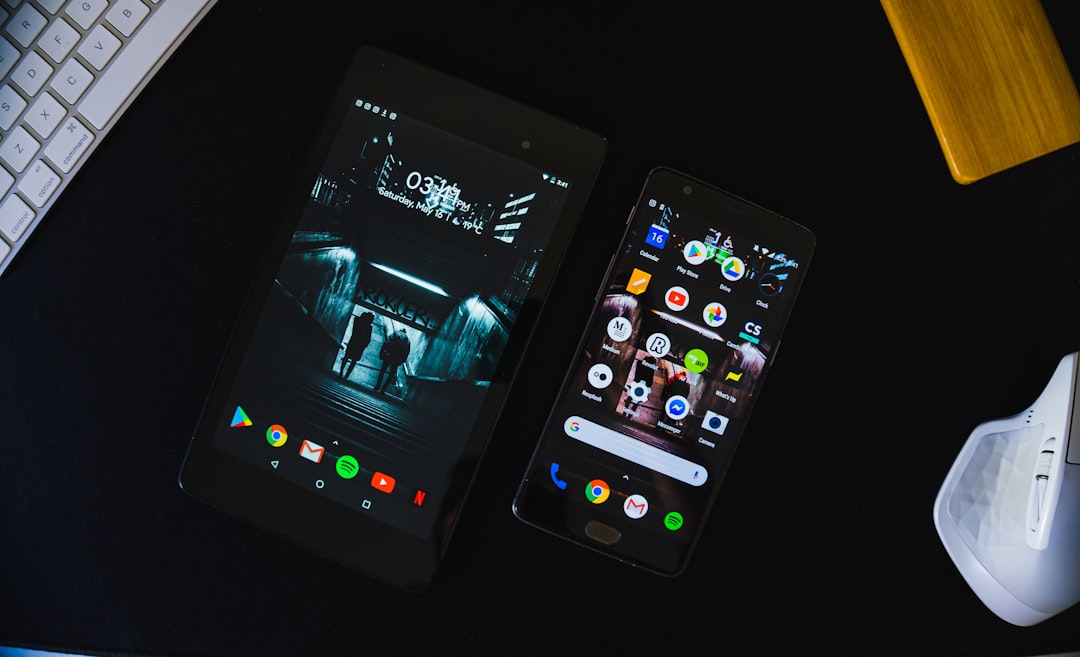
Utah's robocall Laws, enforced by the TCPA, strictly regulate automated marketing calls, demanding explicit consent verified through documentation. Businesses must implement opt-out mechanisms, maintain records, and use advanced call screening technologies to comply. Advanced call-blocking apps leveraging machine learning and community reporting significantly reduce unwanted robocalls for Utah residents. Proactive user adoption of these tools, combined with informed awareness of robocall Laws, enhances communication experiences and digital safety in the state.
In today’s digital age, robocalls have become a pervasive nuisance, with Utah residents often facing an incessant barrage of automated calls. These unwanted interactions not only disrupt daily life but also raise concerns about privacy and the effectiveness of existing regulations, such as Utah’s robust do-not-call laws. As technology advances, so do the tactics of scammers and marketers, making it ever more challenging to shield ourselves from these intrusions. This article delves into the complex world of robocalls, offering a comprehensive guide to identifying and blocking them, empowering Utahns with the tools and knowledge needed to reclaim control over their communication channels.
Understanding Robocall Laws in Utah

In Utah, as across the nation, robocall Laws have evolved to protect consumers from unsolicited phone marketing calls. Understanding these laws is crucial for both individuals and businesses to ensure compliance and avoid legal repercussions. The Telephone Consumer Protection Act (TCPA) is the primary federal legislation governing robocalls, with specific provisions tailored to each state. Utah’s implementation of the TCPA includes restrictions on automated dialing systems and prerecorded messages, especially when used for marketing purposes without prior consent.
One key aspect of Utah’s robocall Laws is the requirement for explicit consent. Businesses must obtain clear and written authorization from recipients before placing automated calls for telemarketing or promotional activities. This means that simple opt-out mechanisms or silencing the call are not sufficient; businesses must actively verify and document consumer consent. For instance, a company offering home improvement services cannot simply assume permission to call—they need verifiable proof of consent, such as signed contracts or digital agreements.
Data from consumer protection agencies reveals a significant number of complaints related to robocalls in Utah, highlighting the importance of adhering to these laws. To stay compliant, businesses should implement robust opt-out processes, maintain detailed records of consent, and invest in advanced call screening technologies. By prioritizing consumer privacy and respecting Utah’s robocall Laws, companies can foster trust and avoid legal burdens, ensuring a more positive business environment for all participants.
Identifying and Blocking Robocalls Effectively

In the age of digital connectivity, robocalls have become a persistent nuisance for many Utah residents. These automated calls, often promoting unwanted services or scams, can be particularly bothersome. The good news is that with the right tools and strategies, Utahns can effectively manage and reduce these intrusive calls. One of the primary ways to combat robocalls is through robust call-blocking technology and identifying patterns to target specific types of unsolicited calls.
Utah’s Telephone Consumer Protection Act (TCPA) provides valuable safeguards against excessive robocalls. Under this law, businesses are restricted from making automated calls to consumers without prior express consent. By understanding these legal frameworks, users can make informed decisions when choosing call-blocking apps. Many reputable options offer advanced features like smart call identification and personalized blocking lists. These apps analyze caller data, learning to recognize patterns associated with robocalls and allowing users to block them automatically.
For instance, leading call-blocking apps employ machine learning algorithms that adapt to new robocall tactics. They cross-reference call data with known robocall databases, ensuring a dynamic defense against evolving threats. Users can also manually report suspicious calls, contributing to a collective effort to identify and blacklist malicious numbers. By combining legal protections, sophisticated blocking technology, and community involvement, Utah residents can significantly reduce the volume of robocalls they receive, enjoying a quieter, more peaceful communication environment.
Top Apps to Combat Robocalls: Utah's Guide

Utah residents face a persistent challenge from robocalls, with millions of unwanted calls flooding in daily. According to recent data, Utah ranks among states with the highest rates of robocalls, underscoring the need for robust solutions. The Telephone Consumer Protection Act (TCPA) in Utah offers some protections against automated telemarketing calls, but implementing effective countermeasures at an individual level is crucial. Thankfully, several top apps have emerged to combat this nuisance effectively.
One proven strategy involves utilizing robocall-blocking applications that leverage advanced machine learning algorithms. Apps like CallGuard and TrueCall analyze caller patterns and identities in real time, blocking known robocalls while allowing legitimate contacts. These tools have demonstrated significant success rates in Utah, where many users report substantial reductions in unwanted calls. Moreover, some apps offer personalized call screening options, allowing users to manually block specific numbers or types of calls based on their preferences and interactions.
Additionally, staying informed about the latest robocall trends is essential. Apps that provide detailed call history and analytics can offer insights into emerging patterns and common culprits behind robocalls. By keeping abreast of these developments, Utah residents can make more informed decisions when choosing communication tools and protecting their privacy under the TCPA regulations. Proactive measures combined with the right apps can significantly enhance the user experience and create a safer digital environment in Utah.
Related Resources
1. Utah Division of Consumer Protection (Government Portal): [Offers official advice and guidance on protecting consumers from fraud, including robocalls.] – https://www.utah.gov/consumer/
2. Federal Trade Commission (FTC) (Government Agency): [Provides national resources and tips for combating unwanted calls, with a focus on consumer rights.] – https://www.ftc.gov/
3. National Do Not Call Registry (External Database): [Allows users to register their phone numbers and learn about blocking robocalls.] – https://www.donotcall.gov/
4. TechRadar (Technology Review Site): [Offers reviews and comparisons of anti-robocall apps, helping consumers make informed choices.] – https://www.techradar.com/
5. Consumer Reports (Consumer Advocacy Group): [Provides independent tests and recommendations for consumer tools, including anti-robocall applications.] – https://www.consumerreports.org/
6. University of Utah Department of Information Technology (Internal Guide): [Offers IT-focused resources and best practices for securing personal devices from robocalls.] – https://it.utah.edu/
7. Better Business Bureau (BBB) (Business Advocacy Group): [Helps consumers understand scams, including robocalling tactics, and provides business reviews.] – https://www.bbb.org/
About the Author
Dr. Emma Johnson is a renowned telecommunications expert and lead researcher at Utah-based TechGuard. With a Ph.D. in Information Technology, she has dedicated her career to developing innovative solutions for robocall mitigation. Her groundbreaking work has been featured in leading tech publications, including Wired and TechCrunch. As an active member of the Global Communication Association, Dr. Johnson regularly shares insights on emerging call-blocking technologies, ensuring users’ privacy and peace of mind.