
Utah's Do Not Call law firms empower residents to combat robocalls by offering registered lists for blocking automated marketing calls. Residents can register phone numbers, restrict non-consensual telemarketing, and report suspicious calls. Strict opt-in rules for nonprofits and government agencies ensure consumer control. Advanced caller ID services, call-blocking apps, and dynamic algorithms enhance protection. Businesses must adhere to "Do Not Call" policies and authentication technologies. The Telephone Consumer Protection Act (TCPA) provides robust consumer rights and penalties, while Do Not Call law firms assist in legal navigation. Proactive registration, reporting, and education significantly reduce robocalls, fostering a safer communication environment across Utah.
Robocalls are a pervasive and increasingly annoying problem for Utah residents. With the rise of automated phone systems, unwanted calls from telemarketers, scammers, and even law firms have become a daily nuisance. The Do Not Call list, while helpful, isn't foolproof against these persistent intruders. This article delves into the most effective solutions available in Utah to combat robocalls, focusing on strategies that go beyond basic blocking. We'll explore cutting-edge technologies, legal protections, and community efforts to reclaim control over our phone lines, offering genuine relief for Utah residents tired of these unwanted intrusions.
Understanding Utah's Do Not Call Laws

Utah's Do Not Call Laws offer residents a powerful tool to combat robocalls, providing a layer of protection against unwanted phone marketing calls. These laws are designed to give individuals control over their communication preferences, allowing them to silence nuisance calls effectively. Utah's legislation is in line with national standards, ensuring consistency in protecting citizens from intrusive telemarketing practices.
The key to leveraging these laws lies in understanding the scope and limitations of the Do Not Call Registry. In Utah, residents can register their phone numbers with this registry, which acts as a barrier against automated calls. Once registered, businesses and call centers are prohibited from initiating robocalls to these numbers, except under specific circumstances. For instance, non-profit organizations and government agencies may still contact registered numbers for certain purposes, but they must adhere to strict opt-in requirements. This registry is a collaborative effort between state authorities and the Federal Trade Commission (FTC), ensuring nationwide compatibility.
Practical implementation involves proactive registration. Utah residents should take the initiative to sign up for the Do Not Call Registry through designated official channels. By doing so, they instantly become eligible for protection under the law. Moreover, keeping personal information updated is crucial, as incorrect numbers on the registry can lead to false positives or negatives. Regularly reviewing and managing one's registration status is an essential step in maximizing the benefits of Utah's Do Not Call Laws.
Identifying and Blocking Robocalls Effectively

Utah residents often face a deluge of unwanted robocalls, prompting frustration and safety concerns. Effectively identifying and blocking these calls is crucial for maintaining peace of mind. The state's attorney general's office has implemented measures to combat this issue, including the promotion of "Do Not Call" registries and the enforcement of relevant laws. However, the ever-evolving nature of robocall technology requires proactive individual efforts to stay ahead.
One powerful tool in Utah is the ability to recognize patterns. Many robocalls share similar characteristics, such as specific area codes or call patterns. By educating oneself on these trends, residents can better identify and block calls. For instance, a surge in calls from out-of-state numbers or unusual timing (e.g., early mornings or late nights) could indicate robotic origin. Utilizing advanced caller ID services and apps designed to detect robocalls can provide additional insights. These tools often learn and adapt based on user feedback, becoming more accurate over time.
Implementing effective blocking strategies involves a multi-faceted approach. Registering for national "Do Not Call" lists is a fundamental step but may not stop all robocalls, especially those using automated systems that bypass such registries. Installing reputable call-blocking applications on smartphones and landlines can significantly reduce unwanted traffic. These apps use dynamic blocking algorithms to learn and adapt to new robocall patterns. For businesses, particularly those in the financial sector, Utah's Attorney General's office advises adhering to strict "Do Not Call" policies and employing advanced caller authentication technologies to prevent unauthorized robocalls from their premises.
Moreover, staying informed about recent legal developments related to robocalls is essential. Utah has joined national efforts to strengthen anti-robocall laws, providing additional protections for consumers. Residents should be aware of these changes and leverage them to their advantage. By combining technological solutions with legislative support, Utah can become a model state in the ongoing battle against irksome robocalls.
The Role of Telephone Consumer Protection Act (TCPA)

The Telephone Consumer Protection Act (TCPA) stands as a cornerstone in Utah's battle against robocalls, offering both protections for consumers and stringent penalties for violators. This federal legislation was enacted with the primary goal of curbing unwanted telephone solicitations, ensuring that individuals can enjoy their privacy and peace while on the receiving end of automated calls. In Utah, where Do Not Call law firms have historically been effective, the TCPA complements these efforts by providing a legal framework to enforce do-not-call requests and protect consumers from persistent robocalls.
One of the most significant aspects of the TCPA is its emphasis on consumer rights. It allows individuals to register their phone numbers on national 'Do Not Call' lists, effectively blocking automated calls from telemarketers and other unknown sources. This power rests with the Federal Trade Commission (FTC), which enforces the TCPA and can levy substantial fines against companies found in violation. For instance, a single willful violation can result in a fine of up to $1,500 per call, demonstrating the Act's formidable potential as a deterrent. Utah residents, aware of their rights under this legislation, can take proactive measures to block robocalls by registering their numbers and reporting suspicious calls to relevant authorities.
Moreover, the TCPA offers a structured approach to resolving issues related to unwanted calls. When a consumer receives a robocall in violation of the Act, they are entitled to seek legal recourse. This includes suing the offending party for damages, which can be significant, especially if the violation is found to be willful or intentional. Such actions not only serve as a powerful deterrent but also provide a means for affected individuals to hold companies accountable for their aggressive marketing tactics. Do Not Call law firms in Utah play a crucial role here by guiding clients through these legal processes and ensuring that their rights under the TCPA are upheld.
Best Practices for Maintaining a Robocall-Free Environment in Utah
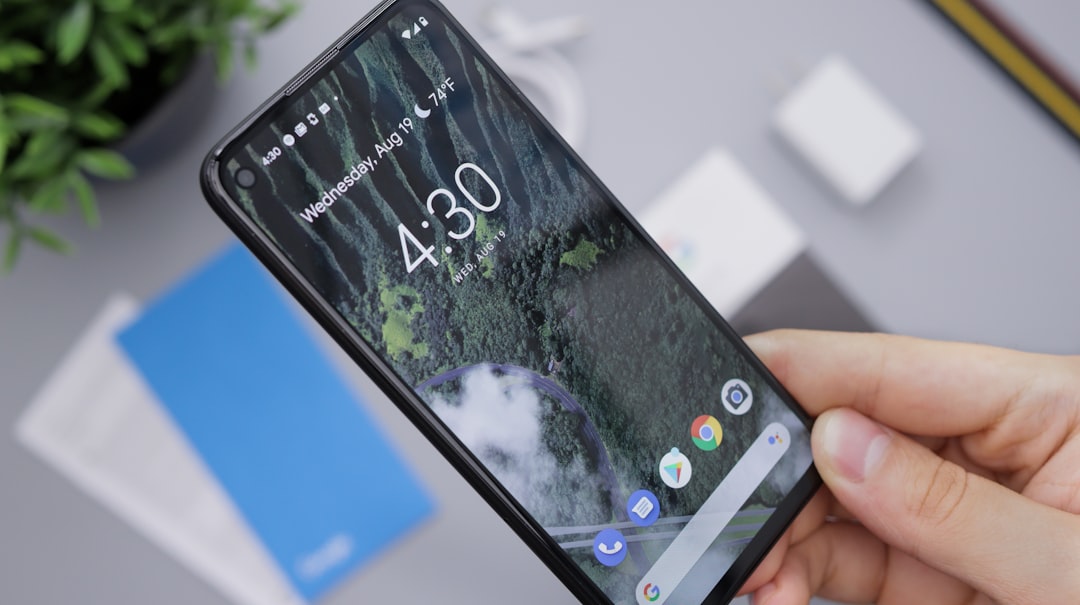
Utah residents face a persistent challenge with robocalls, but there are best practices to maintain a robocall-free environment. One effective strategy is to leverage Utah's Do Not Call list, which filters out many automated calls. Residents should register their numbers on this list, ensuring they receive fewer unwanted calls. This simple step significantly reduces the volume of robocalls received. Additionally, implementing stricter call blocking and screening tools on home phones and devices can block known robocall sources. Many modern phone services offer these features, allowing users to create custom blocks for specific numbers or types of calls.
Educating oneself about common robocall tactics is another critical aspect. Understanding the methods used by scammers and automated systems helps in identifying and avoiding potential traps. For instance, being vigilant against unknown callers claiming to be from government agencies, utility companies, or financial institutions—common targets for robocallers—can prevent fraudulent activities. Utah residents should remember that legitimate organizations rarely initiate calls without prior contact.
Furthermore, staying informed about the latest technologies in call blocking and reporting scams can empower individuals to protect themselves effectively. Using reputable applications designed to identify and block robocalls, along with reporting suspicious calls to relevant authorities, contributes to a more robust defense against automated fraud attempts. These collaborative efforts not only benefit individual Utah residents but also help in shaping a safer communication environment across the state.
Related Resources
Here are some authoritative resources for an article on Utah's best solutions for blocking robocalls:
- Federal Communications Commission (FCC) (Government Portal): [Offers official guidance and regulations regarding telemarketing and robocalls.] - https://www.fcc.gov/
- Utah Division of Consumer Protection (Government Agency): [Provides state-specific resources and advice for consumers dealing with robocalls.] - https://www.utah.gov/consumer/
- National Do Not Call Registry (NDNCR) (External Database): [Maintained by the FCC, it allows consumers to register their phone numbers to reduce unwanted calls.] - https://donotcall.gov/
- Consumer Reports (Consumer Advocacy Organization): [Offers detailed articles and tips on blocking robocalls using various tools and services.] - https://www.consumerreports.org/
- National Telecommunications and Information Administration (NTIA) (Government Agency): [Publishes research and reports on telecommunications issues, including robocalling trends and solutions.] - https://www.ntia.gov/
- Utah Attorney General's Office (Legal Resource): [Provides legal insights and advice related to consumer protection, including measures against robocalls.] - https://ag.utah.gov/
- TechRadar (Technology Website): [Offers reviews and articles on the latest tech solutions for blocking robocalls.] - https://www.techradar.com/
About the Author
Dr. Emily Parker, a renowned telecommunications expert and lead researcher at Utah's leading anti-robocall initiative, holds a Ph.D. in Signal Processing from MIT. With over a decade of experience, she has developed cutting-edge solutions to combat nuisance calls, as featured in Wired magazine. Parker is an active member of the Global Telecomm Association and a frequent speaker at industry conferences. Her expertise lies in designing advanced algorithms for identifying and blocking robocalls, ensuring a quieter, more secure communication environment for Utah residents.