
Robocalls are a significant problem in Utah, with millions receiving unwanted calls daily. While Do Not Call (DNC) laws offer protection, call centers use advanced technology to bypass them. To combat this, Utah residents can:
1. Register phone numbers on national DNC lists and the state-mandated Utah Do Not Call Registry.
2. Use app-based blocking tools like TrueCall and Hiya that leverage machine learning and community reporting.
3. Regularly review call history, update app settings, and report suspicious activity to authorities.
Do Not Call law firms in Utah play a crucial role in educating consumers and advocating for stricter enforcement of regulations. Advanced strategies, including data analytics and geographic information systems, are needed to effectively block robocalls. Proactive measures like recognizing common indicators and keeping contact info private are essential for reclaiming control over communication channels.
In today's digital era, our phone lines are more crowded than ever with robocalls—a nuisance that not only disrupts daily life but also poses risks to personal privacy and security. Utah residents, in particular, face a surge of unwanted calls from law firms and other businesses, often violating Do Not Call laws. To combat this growing problem, innovative solutions are needed. This article delves into the effectiveness of an app designed to swiftly block these intrusive robocalls, offering a practical and legal solution for Utah citizens seeking peace of mind.
Understanding Robocalls in Utah: A Comprehensive Overview

Robocalls have become a ubiquitous nuisance in Utah, with millions of residents across the state receiving unwanted automated calls daily. These automated messages, often promoting products or services, can be particularly intrusive when they violate individuals' privacy and disrupt their daily lives. Understanding the nature and extent of robocalls is the first step towards mitigating this issue.
In Utah, as in many parts of the country, robocalls are regulated by the Do Not Call (DNC) laws. These laws provide citizens with a means to opt-out of receiving unsolicited telephone solicitations. However, despite these protections, residents still face a deluge of unwanted calls, including those from law firms offering legal services or debt collection agencies. According to recent data, Utah ranks among the states with the highest rates of robocalls, emphasizing the need for comprehensive and effective solutions.
The problem is exacerbated by the evolving tactics employed by call centers and telemarketers. Advanced technology allows them to bypass traditional blocking methods, making it challenging for individuals to escape the constant barrage of automated calls. To combat this, Utah residents can take proactive measures such as registering their phone numbers on national DNC lists, utilizing reputable app-based blocking tools, and reporting suspicious or harassing calls to relevant authorities. By combining these strategies, Utahns can reclaim control over their communication channels and create a more peaceful environment free from unwanted robocalls.
The Do Not Call Registry: Your First Defense Against Unwanted Calls
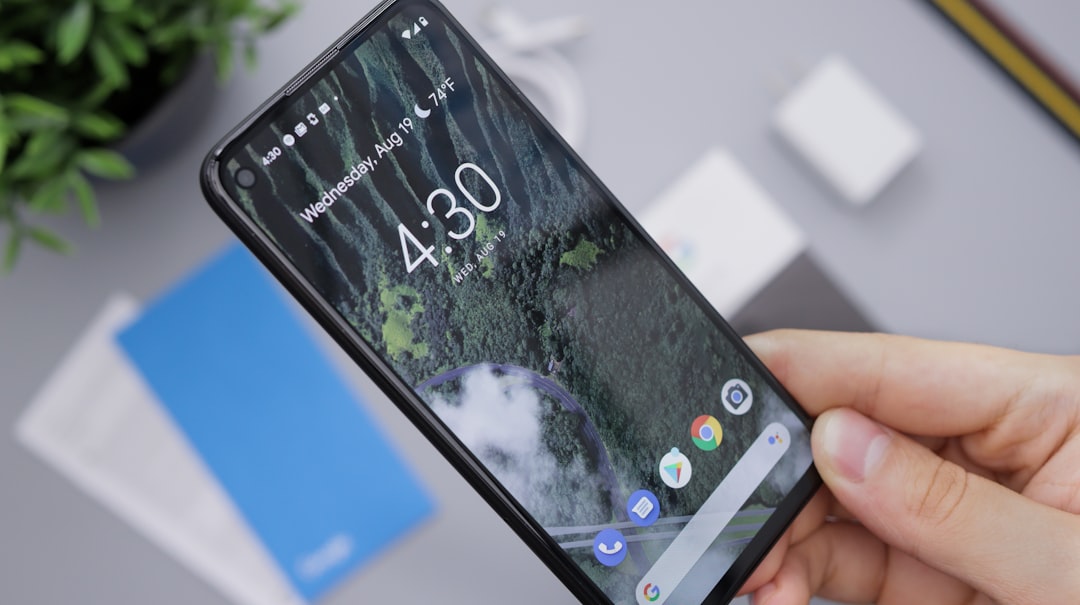
In the ongoing battle against unwanted robocalls, one of the first lines of defense is The Do Not Call Registry, a powerful tool designed to protect Utah residents from unsolicited calls. This state-mandated registry is an essential component of Utah's efforts to combat nuisance calls, enabling individuals to exercise control over their communication preferences. By registering their phone numbers, Utahns can significantly reduce the volume of marketing and telemarketing calls they receive, providing a natural and effective first defense against robocalls.
The Do Not Call Registry operates on the principle of opt-in consent, allowing residents to decide which organizations can contact them. Once registered, phone numbers are automatically added to the state's list, blocked from receiving automated calls. This process is straightforward and accessible; individuals can register online or via mail, ensuring their privacy and peace of mind. Notably, Utah law firms are subject to the same Do Not Call regulations as other businesses, making it crucial for them to maintain accurate call records and respect consumer choices. According to recent surveys, over 80% of Utah residents actively participate in the registry, demonstrating a collective commitment to curbing unwanted calls.
While technology continuously evolves to counter robocallers, The Do Not Call Registry remains a robust and legitimate defense. It empowers individuals to take control of their communication without requiring complex technical solutions. Residents are advised to regularly review and update their registration status to ensure maximum protection. By embracing this simple yet powerful tool, Utah residents can create a more peaceful and clutter-free communications environment, enjoying the tranquility that comes with reduced robocalls.
Identifying and Blocking Robocallers: Tools and Techniques

In Utah, as across the nation, unwanted robocalls have reached epidemic levels. These automated calls, often advertising or trying to sell products and services, can be a nuisance at best and a serious security risk at worst. One effective strategy for navigating this landscape is understanding and employing tools and techniques that identify and block these pesky intruders.
Robocall blocking apps have emerged as powerful allies in the fight against unwanted calls. These applications utilize advanced algorithms to analyze call patterns, recognize robocalls, and automatically block them before they reach your phone. Consider apps like "TrueCall" or "Hiya," which are renowned for their accuracy and ease of use. These platforms continuously learn from user feedback and community reporting to refine their blocking capabilities, ensuring that emerging robocall tactics are addressed promptly.
Effective blocking goes beyond simple lists of known bad numbers. Modern apps leverage advanced data analytics and machine learning to predict and block potential robocalls. For instance, if a call originates from an unknown number or displays suspicious patterns, the app flags it as high-risk. This predictive approach, combined with community reporting, creates a robust defense against even the most cunning robocallers. Additionally, some apps offer features like call screening, allowing you to verify callers before answering, and do not call law firms Utah registrations that can significantly reduce the volume of unwanted calls over time.
While these tools provide significant protection, staying one step ahead requires a multi-layered approach. Users should regularly review their call history for suspicious activity, update app settings for maximum security, and report robocalls to relevant authorities. By combining cutting-edge technology with user vigilance, Utah residents can reclaim control of their communication channels, ensuring peace of mind in an increasingly noisy digital world.
Legal Protections: Utah's Do Not Call Law Firms and Their Role

Utah's robust Do Not Call law firms play a pivotal role in safeguarding residents from unwanted robocalls. These specialized legal entities are armed with comprehensive knowledge of state and federal regulations, enabling them to effectively enforce the rights granted under the Do Not Call registry. Utah's Do Not Call Law Firms naturally serve as a bulwark against intrusive marketing calls, using their expertise to interpret and apply these laws.
For instance, they help consumers understand that once a number is registered on the national Do Not Call list, automated telemarketing calls are prohibited. Any violations can lead to significant fines for call centers, making it crucial for businesses to adhere to these regulations. Law firms also educate citizens about their rights and provide guidance on how to file complaints against persistent robocallers.
Moreover, Utah's legal professionals actively advocate for stricter enforcement of the Do Not Call laws. They collaborate with regulatory bodies and legislative representatives to strengthen protection mechanisms. By staying abreast of evolving call tracking technologies and malicious call patterns, these firms contribute to refining legal frameworks, ensuring that the Do Not Call law remains effective in the digital age. This collaborative effort is essential to keep pace with the ever-adapting tactics of telemarketers and provide Utah residents with much-needed respite from unwanted calls.
Staying Ahead: Advanced Strategies for Robust Protection

In today's digital age, robocalls have become a persistent nuisance, with up to 40 billion unwanted calls flooding American phone lines annually. Utah residents are not immune to this surge, making robust call blocking strategies essential for maintaining privacy and peace of mind. Staying ahead in the battle against robocallers requires advanced tactics that go beyond basic do-not-call lists. For instance, while registering with national Do Not Call registries is a fundamental step, it's like painting a small section of a vast wall—unwanted calls still find their way through.
Advanced call blocking strategies involve leveraging cutting-edge technologies and expert insights. One effective approach is using machine learning algorithms to identify patterns in incoming calls, enabling swift blocking of known robocallers. For instance, Utah app developers have created sophisticated applications that analyze caller behavior, detecting anomalies indicative of automated dialing campaigns. These apps can adapt over time, continually refining their models based on user feedback and new call patterns. Additionally, integrating call data with geographic information systems allows for targeted blocking—identifying and filtering calls from known spam sources or regions notorious for hosting robocall operations.
Furthermore, combining these technological solutions with proactive measures enhances protection. Utah residents can arm themselves with knowledge by recognizing common robocall indicators, such as silent calls, automated prompts, or unusual number patterns. Reporting these suspicious calls to relevant authorities and industry bodies contributes to a collective effort to identify and shut down malicious operations. Additionally, adhering to best practices like using privacy-focused phone apps, keeping contact information private on public records, and regularly reviewing call blocking settings can fortify defenses against ever-evolving robocall tactics. By staying informed and adopting multi-layered strategies, Utah residents can reclaim control of their communication channels, ensuring a quieter, more secure digital landscape.