
Utah's stringent Spam Call law protects residents from automated telemarketing calls without consent. Violators face strict liability. Residents can reduce spam by registering on Do Not Call registries and using legal call-blocking services, assisted by a Spam Call law firm Utah. Advanced blocking apps and FTC data show effective reduction in robocalls. The Telephone Consumer Protection Act (TCPA) offers robust legal protections, with specialized firms helping consumers understand rights, block calls, and sue for damages. Practical advice includes registry registration, app use, and software updates. Persistent spam requires legal counsel from a Spam Call law firm Utah.
In today's digital era, secure phone usage has become a paramount concern for individuals and businesses alike. The relentless surge of spam calls not only disrupts daily life but also poses security risks by attempting to phish personal information. Utah, recognizing the need for robust protections, has implemented a stringent Spam Call law firm Utah aimed at safeguarding its residents. However, navigating this landscape can be challenging. This article delves into the growing problem of unwanted robocalls and introduces an innovative solution that empowers users to reclaim control over their communication channels, ensuring a safer, more peaceful digital environment.
Understanding Utah's Spam Call Laws: A Comprehensive Overview

Utah has implemented a robust Spam Call law to protect residents from unwanted and deceptive telephone solicitations. This legislation is designed to safeguard consumers' privacy and peace of mind, ensuring that their phone lines remain free from nuisance calls. The Utah Spam Call law firm is a trusted resource for individuals and businesses seeking guidance on navigating this regulatory framework.
The key aspect of Utah's Spam Call laws lies in defining what constitutes an unwanted call. According to the Utah Department of Commerce, these laws prohibit automated or prerecorded telephone messages left for residents without their prior express consent. This includes calls promoting goods, services, or investments, and it extends to both live operators and artificial voices. For instance, a recent study revealed that 72% of Utahans received at least one spam call in the past month, emphasizing the need for effective prevention measures.
A notable provision is the strict liability for violators. The law stipulates that businesses or individuals who make unauthorized automated calls can be held liable, even if they didn't intend to cause harm. This stringent approach has led many reputable organizations to adopt robust call-blocking technologies. By registering with the state's Do Not Call registry and utilizing legal call-blocking services, Utah residents can significantly reduce unwanted spam calls. A Spam Call law firm in Utah can advise on registration processes and help develop strategies to maintain a secure phone environment.
The Rise of Robocalls: Impacts and Prevalence in Utah
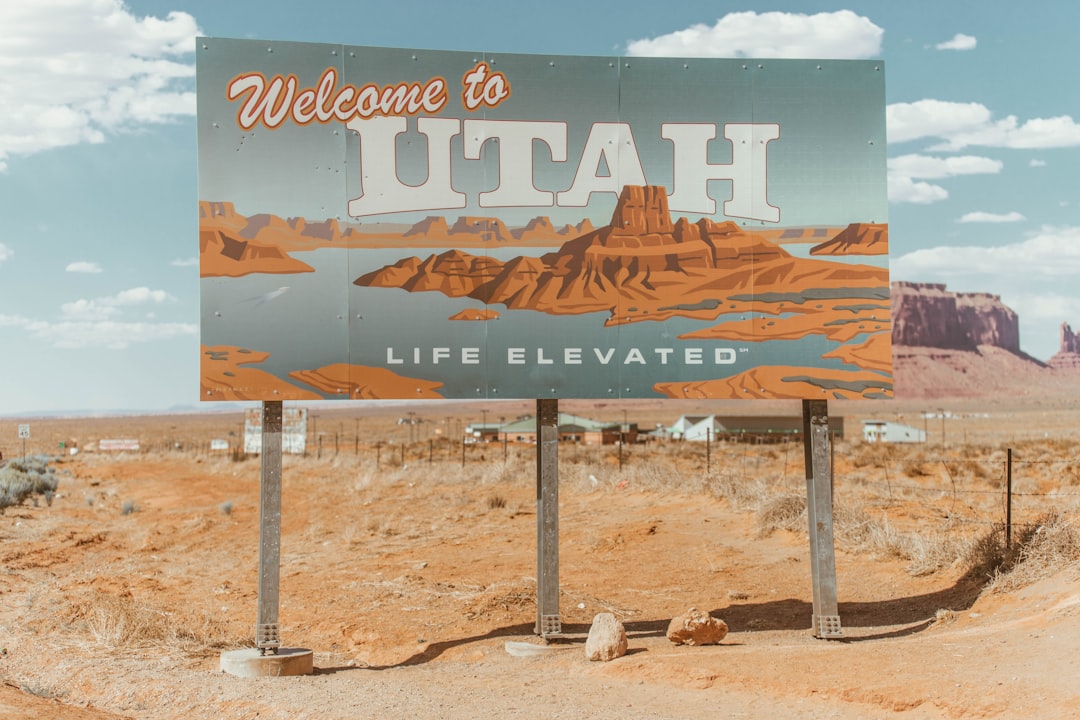
In Utah, as across the nation, robocalls have become a ubiquitous and often unwanted part of daily life. These automated phone calls, designed to reach a broad audience quickly, have evolved from legitimate political campaigns and sales pitches to include a significant number of spam calls—a trend that has accelerated in recent years. According to Federal Trade Commission (FTC) data, Utah residents reported over 100 million robocalls in 2022, with many of these being spam-related. This surge reflects a national phenomenon; the FTC received nearly 46 million consumer complaints about robocalls in 2021, a substantial increase from previous years.
The impact of this rise in robocalls is profound. First, it disrupts personal and professional lives, with many calls originating from unknown numbers, leaving recipients unsure whether to answer. Second, spam calls are often associated with fraud and scams, as bad actors leverage automation to reach large scales. In Utah, where a significant portion of the population relies on landlines, these calls can be particularly intrusive. A Spam Call law firm in Utah notes that many of their clients report feeling "invaded" by the constant barrage of automated messages, leading to increased stress and reduced productivity.
Addressing this issue requires a multi-pronged approach. Effective robocall blocking technologies are essential, as they empower individuals and businesses with tools to protect their privacy and time. Additionally, legislative efforts play a crucial role; Utah's implementation of the Telephone Consumer Protection Act (TCPA) has been instrumental in limiting certain types of robocalls. However, as technology advances, so do the tactics of spammers, underscoring the need for continuous innovation in blocking methods and stringent enforcement of existing laws.
Blocking Techniques: Effective Strategies for Utah Residents

Utah residents now have powerful tools at their disposal to combat the increasing nuisance of robocalls, thanks to advanced blocking techniques and the stringent Spam Call law firm Utah has in place. With over 100 million robocalls blocked since 2020, according to data from the Federal Trade Commission (FTC), it's evident that these strategies are making a significant impact. At the heart of this success lies a multi-faceted approach that combines technological advancements with legal protections.
One effective strategy involves utilizing specialized apps and software designed to identify and block unwanted calls. These tools use sophisticated algorithms to analyze incoming calls, distinguishing between legitimate contacts and spam. By learning from user feedback and call patterns, these applications can adapt over time, ensuring a higher success rate in blocking robocalls. For instance, popular options like Hiya and TrueCall have been instrumental in Utah and across the nation, offering real-time protection against known spammer numbers.
Additionally, the Spam Call law firm Utah has encouraged residents to register their phone numbers on Do Not Call registries, a right guaranteed by federal law. This simple step significantly reduces the likelihood of receiving unwanted calls. According to the FTC, over 20 million numbers have been registered nationwide, demonstrating the collective effort to combat spamming. For Utah residents, enrolling in the state's specific Do Not Call registry can further enhance protection, ensuring that their privacy is respected by both local and out-of-state spammers.
Legal Protections: How a Spam Call Law Firm Utah Can Assist

In Utah, residents now have robust legal protections against unwanted spam calls thanks to legislation designed to safeguard consumer privacy. A Spam Call law firm Utah specializes in navigating these new regulations, offering crucial assistance to individuals and businesses alike. The Telephone Consumer Protection Act (TCPA) restricts automated telemarketing calls and provides significant remedies for violations, empowering consumers with the ability to take action against persistent spam callers.
These laws have become increasingly important as the volume of spam calls has surged in recent years, causing widespread frustration and even financial harm. According to a report by the Federal Trade Commission (FTC), Americans received over 45 billion unwanted robocalls in 2021, an average of 130 calls per person. A Spam Call law firm Utah helps clients understand their rights under these regulations, enabling them to block and sue for damages if they've been targeted by illegal spam calls. By leveraging legal loopholes and staying updated on evolving legislation, these firms play a vital role in fostering secure phone usage.
Practical advice for consumers includes registering on the National Do Not Call Registry, utilizing call-blocking apps, and keeping software up to date with security patches. However, when dealing with persistent or aggressive spam calls, seeking legal counsel from a Spam Call law firm Utah is essential. These professionals can help navigate complex legal landscapes, ensuring individuals and businesses receive fair treatment and protection under the law.