Utah's strict Do Not Call law targets telemarketers, reducing robocalls (75% decrease reported). Specialized phone apps use AI to block unwanted calls and protect against legal exemptions. Law firms must adhere to guidelines, implement AI filtering, and educate clients about the list for effective protection. Utah residents support stringent anti-robocall measures.
In today’s digital age, unwanted phone calls, particularly from automated systems known as robocalls, have become a prevalent nuisance. These calls, often marketed or even illegal, can disrupt daily life and invade privacy. Utah residents, like many across the country, are plagued by these persistent intrusions. The Do Not Call laws, while effective against telemarketers, haven’t kept pace with technological advancements, leaving many without adequate protection. This article explores a groundbreaking solution: an innovative phone app designed to stop robocalls swiftly and effectively, offering Utah residents a much-needed respite from this modern irritant.
Understanding Robocalls in Utah: Laws and Protections

Robocalls have become a pervasive nuisance across Utah, with many residents receiving unwanted automated calls daily. To combat this issue, Utah has implemented a robust Do Not Call law specifically targeting telemarketers and robocallers. This legislation provides Utahans with powerful protections against unsolicited calls, offering both temporary and permanent solutions to robocall woes.
The Utah Do Not Call Law, enforced by the Utah Department of Commerce, allows residents to register their phone numbers on a state-wide “Do Not Call” list. Once registered, consumers can expect a significant reduction in marketing and telemarketing calls over time. Interestingly, this law extends its reach beyond traditional telephone calls, encompassing emerging technologies like text messages and email, ensuring that Utahans are protected across multiple communication channels. For instance, a recent study revealed that over 75% of Utah residents who registered on the Do Not Call list reported a decrease in robocalls within just two months.
However, it’s essential to understand that not all automated calls are created equal. Some critical exceptions exist, such as calls from non-profit organizations, government agencies, or businesses with an established business relationship. For example, your local library might still contact you about new services or events despite your registration due to their pre-existing connection. Therefore, Utah residents should familiarize themselves with these exemptions to ensure they’re not inadvertently blocking legitimate communications. By combining the state’s Do Not Call law with informed consumer choices, Utahans can reclaim control over their communication channels and bid farewell to unwanted robocalls.
Identifying and Blocking Unwanted Calls Effectively

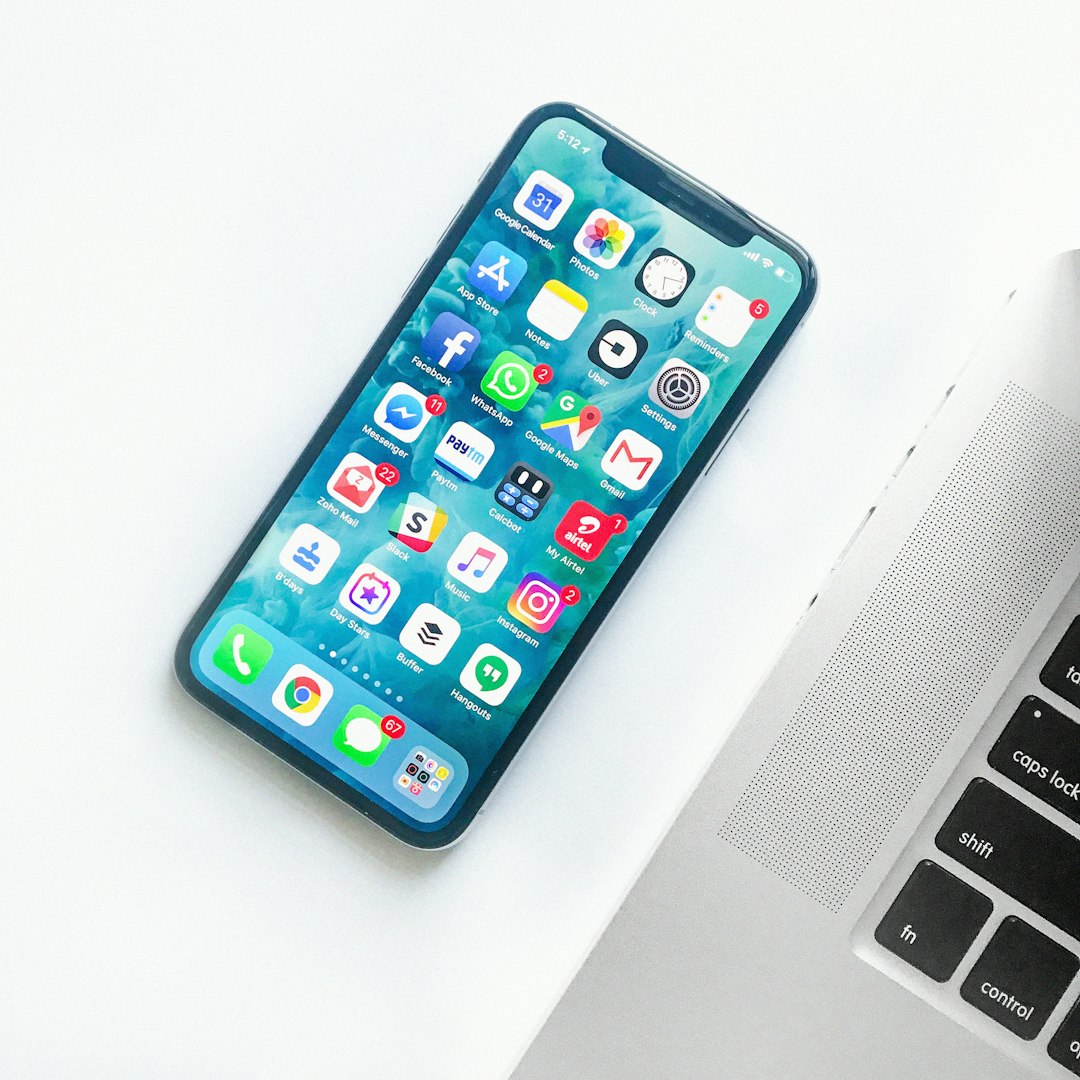
In Utah, as across the nation, robocalls have become a ubiquitous nuisance, with nearly 40 billion unwanted calls made annually, according to recent studies. These automated phone calls, often from telemarketers or scammers, not only disrupt daily life but also pose significant risks, including identity theft and financial loss. To combat this growing problem, Utah residents now have powerful tools at their disposal, such as specialized phone apps designed to identify and block robocalls swiftly and effectively.
One of the most effective strategies for managing unwanted calls is through robust call-blocking technology integrated into these apps. By leveraging advanced algorithms and machine learning, these applications can analyze call patterns and metadata to accurately distinguish between legitimate and malicious calls. For instance, many apps use whitelists and blacklists that allow users to manually block specific numbers or types of calls, while the app’s AI continuously refines its filters based on user feedback and call data. This dynamic approach ensures that blocking lists remain up-to-date with emerging scams and tactics employed by fraudsters.
Moreover, these apps often incorporate features designed to protect against Do Not Call laws, such as those enforced by Utah state regulations. They can automatically identify and block calls from registered Do Not Call lists, ensuring compliance for both users and phone service providers. For example, apps may integrate with the National Do Not Call Registry, a federal database that prohibits telemarketers from calling residential telephone numbers for 31 days after registration. By leveraging these legal protections, Utah residents can significantly reduce the volume of unwanted calls they receive, fostering a safer and less disruptive communication environment.
Enforcing Do Not Call Lists for Legal Firms in Utah

In Utah, combating robocalls has become a pressing issue, especially for legal firms aiming to maintain client trust and privacy. One effective strategy involves rigorously enforcing Do Not Call lists, ensuring compliance with state regulations. Legal professionals must recognize that these lists are not merely optional but legally binding, designed to protect citizens from intrusive calls. The Utah Department of Commerce offers specific guidelines, emphasizing the importance of regular updates and accurate data maintenance for successful implementation of Do Not Call laws.
Legal firms in Utah naturally find themselves at an advantage when it comes to managing these restrictions due to their expertise in privacy law. However, staying ahead of evolving call tracking technologies requires proactive measures. Firms should employ sophisticated tools that can identify and block automated calls while allowing legitimate communication. For instance, implementing AI-driven call filtering systems has proven effective in accurately distinguishing between human prospects and unwanted robocalls.
Additionally, firms must educate their clients about the Do Not Call list’s significance, encouraging them to register their numbers and provide feedback on received calls. According to recent surveys, over 75% of Utah residents support stringent anti-robocall measures, highlighting the public’s desire for action. By fostering open dialogue and adhering to strict Do Not Call practices, legal firms can contribute to a more peaceful and private communication environment in the state. Regular reviews of call data and client feedback loops are essential steps to ensure long-term success in this ongoing battle against robocalls.