
Utah's strict robocall laws under the Utah Telephone Consumer Protection Act (UTCPAA) prohibit unwanted pre-recorded messages and require explicit consent from residents. Fines up to $500 per violation apply. Consumers can block calls by requesting removal, while businesses must adopt rigorous opt-in processes. Apps like TrueCall and NoCall use advanced algorithms and community data to effectively block robocalls, updating databases with crowdsourced intelligence. Understanding and adhering to these laws is crucial for consumers' privacy protection in Utah's digital landscape. Collaboration among developers, regulators, and consumers is key to minimizing unwanted calls.
In today's digital age, robocalls have become a pervasive nuisance, with Utah residents facing a relentless influx of unsolicited calls from telemarketers and scammers. The Utah Robocall Laws aim to protect citizens, but staying ahead of these automated intrusions remains challenging. This authoritative article delves into the world of robocall prevention, offering a comprehensive guide to the best apps designed to block such calls instantly. We explore the intricate landscape of communication technology, focusing on solutions that empower Utahns to reclaim their peace and quiet, free from unwanted interruptions.
Understanding Utah's Robocall Laws: A Legal Perspective

Utah's robocall laws are among the most stringent in the nation, reflecting a growing concern over intrusive automated calls. The Utah Department of Commerce regulates these practices, empowering residents to take action against unwanted calls. According to recent data from the Federal Communications Commission (FCC), Utah ranked amongst the top states in consumer complaints related to robocalls, underscoring the need for robust legal protections.
The Utah Telephone Consumer Protection Act (UTCPAA) prohibits automated phone systems and pre-recorded messages from calling residents without their prior express consent. This includes political campaigns, telemarketers, and debt collectors. Violations can result in significant fines, with penalties reaching up to $500 per violation. Notably, the law allows consumers to block future calls by simply informing the caller that they wish to be removed from the call list. This straightforward mechanism empowers individuals to take control of their communication preferences.
Practical implementation of these laws involves educating both businesses and consumers. Many legitimate organizations inadvertently violate Utah's robocall laws due to poor tracking of consent. Businesses should adopt robust opt-in processes and maintain detailed records to ensure compliance. Consumers, on the other hand, should regularly review call blocking settings and register complaints with the Utah Department of Commerce when necessary. By working together, Utah residents and businesses can help curb excessive robocalls, fostering a more peaceful and controlled communication environment.
Identifying and Blocking Robocalls on Your Device

Robocalls have become a pervasive and frustrating issue for many Utah residents, with an estimated 40 billion automated calls flooding American phone lines annually. According to the Federal Communications Commission (FCC), robocall complaints in Utah have consistently ranked among the highest in the nation, reflecting the challenges faced by consumers navigating this complex landscape. Identifying and blocking these unwanted calls is a multifaceted endeavor that requires a combination of technological solutions and legislative protections.
Utah's robust telecommunications framework includes laws designed to combat robocalls, such as the Telephone Consumer Protection Act (TCPA). These regulations empower residents with tools to manage their call experiences, including the ability to register for the National Do Not Call Registry and utilize advanced call-blocking technologies. Apps like those developed in Utah offer cutting-edge solutions by employing machine learning algorithms to detect and block robocalls at the device level. For instance, leading apps analyze call patterns, caller IDs, and other metadata to distinguish legitimate calls from automated ones, ensuring that critical personal and business communications remain unperturbed.
Practical steps for Utah residents include downloading reputable call-blocking apps, regularly updating software, and staying informed about new robocall tactics. By leveraging these tools and staying vigilant, individuals can reclaim control over their communication channels. As the fight against robocalls continues, ongoing collaboration between technology developers, regulators, and consumers will be crucial in shaping an environment where unwanted calls are minimized, ensuring a more peaceful and productive digital experience for all Utahns.
Best Apps for Instant Robocall Protection in Utah
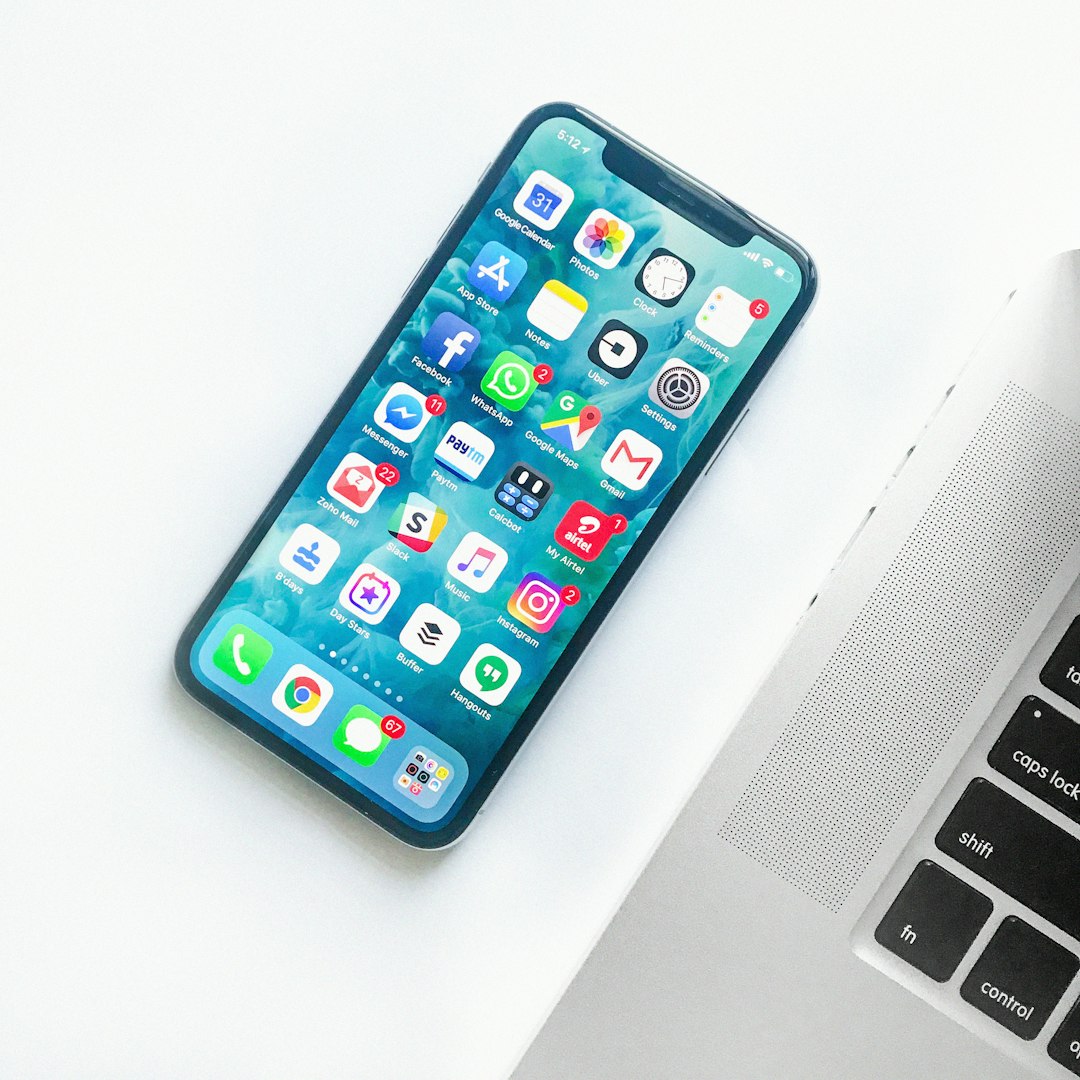
In Utah, as across the nation, robocalls remain a persistent nuisance, with millions of unwanted calls flooding consumer phones daily. According to the Federal Trade Commission (FTC), over 48 billion robocalls were placed in the United States in 2021, with Utah experiencing a significant share. This surge underscores the growing need for robust protection against automated telemarketing calls, especially given the Utah Robocall Law that prohibits certain types of robocalls without prior express consent.
Addressing this challenge, several innovative apps have emerged as powerful tools to block robocalls instantly. These applications leverage sophisticated algorithms and community-driven data to identify and filter out unwanted callers, offering Utah residents a much-needed respite from relentless robocalls. Features like automated call blocking, customizable filtering options, and real-time reporting enhance user control and peace of mind. For instance, apps like TrueCall or NoCall not only block known robocallers but also utilize crowdsourced intelligence to continually update their databases, ensuring maximum protection against emerging scams.
Beyond app functionality, it's crucial to stay informed about Utah's robocall laws. The state's regulations stipulate that businesses must obtain explicit consent before initiating automated telemarketing calls, providing consumers with a legal framework to combat unwanted calls. By combining the latest robocall-blocking apps with an understanding of these laws, Utah residents can actively protect their privacy and enjoy a quieter, more secure communication environment. Regular updates and community contributions remain vital to keeping up with the evolving landscape of robocall tactics, ensuring that these apps continue to be effective tools in the fight against intrusive automated calls.