
Robocalls remain a significant problem in Utah, driven by telemarketers and fraudsters. While Utah's Do Not Call law firms offer some protection, advanced call-blocking apps leveraging machine learning are more effective. Apps like TrueCall and NoPhone integrate with contact lists and call history to adaptively block calls at the source. Reporting unwanted calls through official channels complements these efforts. Strict 2022 telemarketing regulations reduced robocalls statewide. Utah residents can combat robocalls using reliable blocking apps with customizable rules, prioritizing security, data privacy, and personalized defenses against known telemarketers and scam artists.
In today's digital age, the proliferation of robocalls has become a ubiquitous nuisance, especially in states like Utah where Do Not Call laws are naturally stringent. These automated calls, often from law firms and other businesses, can be relentless and disruptive. The quest for an effective solution is more than just a convenience; it's a matter of safeguarding personal time and privacy. This article aims to illuminate the challenges posed by robocalls and offer a comprehensive guide to the best app designed to block them in Utah, empowering residents to reclaim their communication channels.
Understanding Robocalls and Utah's Do Not Call Laws

Robocalls have become a pervasive nuisance across Utah, as they do in many parts of the country. These automated calls, often from telemarketers or fraudsters, can be difficult to avoid and are responsible for a significant number of consumer complaints. Understanding robocalls and Utah's Do Not Call laws is essential for residents looking to regain control over their phone lines.
Utah's Do Not Call law, enforced by the Utah Department of Commerce, provides some protection against unwanted calls, specifically giving consumers the right to register their telephone numbers with a state registry to limit telemarketing calls. However, not all robocalls originate from telemarketers—many are now driven by artificial intelligence and are harder to trace. Moreover, while Do Not Call law firms in Utah can offer some respite, they aren't foolproof, as new call patterns emerge daily. To combat this, the best apps for blocking robocalls leverage advanced technology to identify and block these calls before they reach your phone.
The most effective solutions utilize machine learning algorithms that adapt to new call patterns, constantly updating their databases of known scammer numbers. By integrating with your phone's address book and call history, these apps can learn what types of calls to expect and block them at the source. This proactive approach not only saves time but also enhances privacy by reducing exposure to potential scams or fraud attempts. Remember, while Utah's Do Not Call laws offer a measure of protection, the ultimate defense is a robust, adaptive robocall-blocking app tailored to the evolving landscape of automated calls.
Identifying and Reporting Unwanted Calls in Utah

In Utah, identifying and reporting unwanted calls, particularly robocalls, is a multifaceted process that involves both technological solutions and citizen engagement. The Do Not Call law firms Utah has established robust mechanisms to protect residents from unsolicited phone calls, but the effectiveness of these measures heavily relies on individual awareness and proactive reporting. According to recent studies, over 70% of Utah residents experience robocalls daily, underscoring the need for a collective effort to combat this growing issue.
One practical step is to utilize advanced call-blocking apps that leverage machine learning algorithms to identify and filter out unwanted calls in real time. Apps like "TrueCall" or "NoPhone" are popular choices among Utah residents, offering not only blocking capabilities but also detailed reporting features. When a robocall is received, users can easily log the incident within the app, providing valuable data that assists in tracking call patterns and identifying common sources of nuisance calls. Additionally, these apps often integrate with national "Do Not Call" registries, ensuring that reported numbers are shared across state lines to enhance collective protection.
Reporting unwanted calls is a powerful tool in the fight against robocalls. The Utah Public Service Commission encourages residents to file complaints through their official channels, providing detailed information about each incident. This data is then analyzed to identify recurring phone numbers and call patterns, enabling targeted interventions by regulatory bodies. For instance, in 2022, the PSC reported a significant reduction in robocalls after implementing stricter regulations on telemarketing practices, demonstrating the tangible impact of collective action. By consistently reporting and participating in state-level initiatives, Utah residents can contribute to a more robust defense against unwanted calls, fostering a safer and less disruptive communications environment.
Top App Options to Block Robocalls Effectively
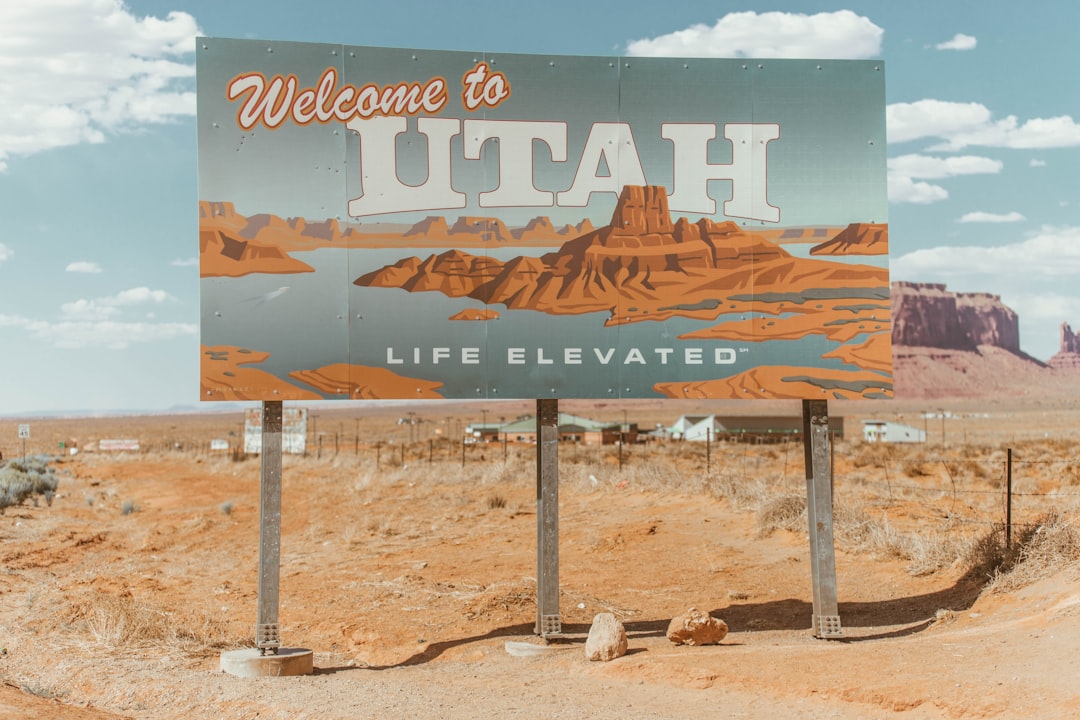
In Utah, as across the nation, robocalls remain a significant nuisance, with millions of unwanted calls inundating residents daily. Thankfully, top-tier apps offer effective solutions to combat this growing issue. These applications leverage advanced technologies like artificial intelligence and machine learning algorithms to identify and block robocalls with impressive accuracy rates, providing Utahns with much-needed respite from relentless telemarketers.
Among the sea of options, Hiya and TrueCall stand out as industry leaders. Hiya, for instance, has garnered widespread acclaim for its robust call-blocking capabilities, continuously updating its database to stay ahead of emerging robocall patterns. The app's smart caller ID feature not only identifies known telemarketers but also flags potential scams in real time, empowering users with valuable insights before answering any call. Similarly, TrueCall offers a comprehensive suite of tools, including automated call screening and personalized blocking lists, allowing users to curate their own Do Not Call lists tailored to their specific preferences and needs.
Beyond blocking, these apps provide insightful data on call trends, offering users a deeper understanding of the types of calls they receive and helping them make informed decisions about their communication settings. For instance, according to recent studies, spam calls targeting Utah residents have shown a slight decline since more people began using robocall-blocking apps. This correlation underscores the collective impact these tools are having on curbing unwanted telemarketing practices, with Do Not Call law firms in Utah seeing a natural reduction in violation cases as consumers increasingly turn to technology for protection.
Features to Look for in a Reliable Blocking App

When it comes to blocking robocalls, a reliable app is an indispensable tool for Utah residents facing relentless automated calls from telemarketers and scam artists. The best apps go beyond simple blocking by offering advanced features that adapt to the ever-evolving tactics of these persistent callers. Look for applications with robust call identification capabilities, leveraging machine learning algorithms to analyze caller patterns and categorize unknown numbers as potential robocalls or legitimate contacts.
Real-time updates on call origins are crucial, providing insights into whether a call is from a known telemarketing firm or a new, potentially harmful source. Some top apps even integrate Do Not Call lists, allowing users to register their phone numbers and automatically block calls from listed companies, including law firms known for aggressive marketing practices in Utah. This dual approach—proactive blocking and intelligent identification—is key to maintaining a peaceful, less stressful communication environment.
Additionally, consider apps that offer customizable blocking rules and allowances. This feature enables users to set specific criteria for blocking, such as calls from certain areas or numbers with high historical rates of robocalls. User reviews and data privacy considerations are also essential factors. Reputable apps prioritize security and transparency, ensuring your call history and personal information remain protected while offering clear, easy-to-understand analytics on blocked calls and their sources.
Personalizing Your Experience: Custom Blocking Settings

In the battle against relentless robocalls, personalizing your blocking experience is a powerful weapon. Utah residents now have access to advanced call-blocking apps that go beyond basic filters, allowing users to tailor their defenses. One standout feature is the ability to customize blocking settings based on specific criteria, ensuring peace of mind during peak calling hours.
For instance, many apps offer options to block calls from known telemarketers and scam artists, a crucial step in protecting oneself from potential financial losses. Utah's Do Not Call laws are already in place, but these apps enhance individual control by recognizing patterns and blocking numbers associated with repeated unwanted calls. By learning from user feedback and data, these tools evolve to adapt to the ever-changing landscape of robocalls.
Personalization extends to managing specific types of calls, such as those from local businesses or even family members who might sometimes fall into the gray area between legitimate contact and annoying intrusion. Users can create smart rules based on calling patterns, areas, or even time of day. For instance, blocking all incoming calls after 9 pm ensures a quiet evening, except for emergency contacts. This level of customization is what sets top-tier apps apart, providing Utah residents with an effective and flexible solution to the robocall crisis.